
In this article 6 topics
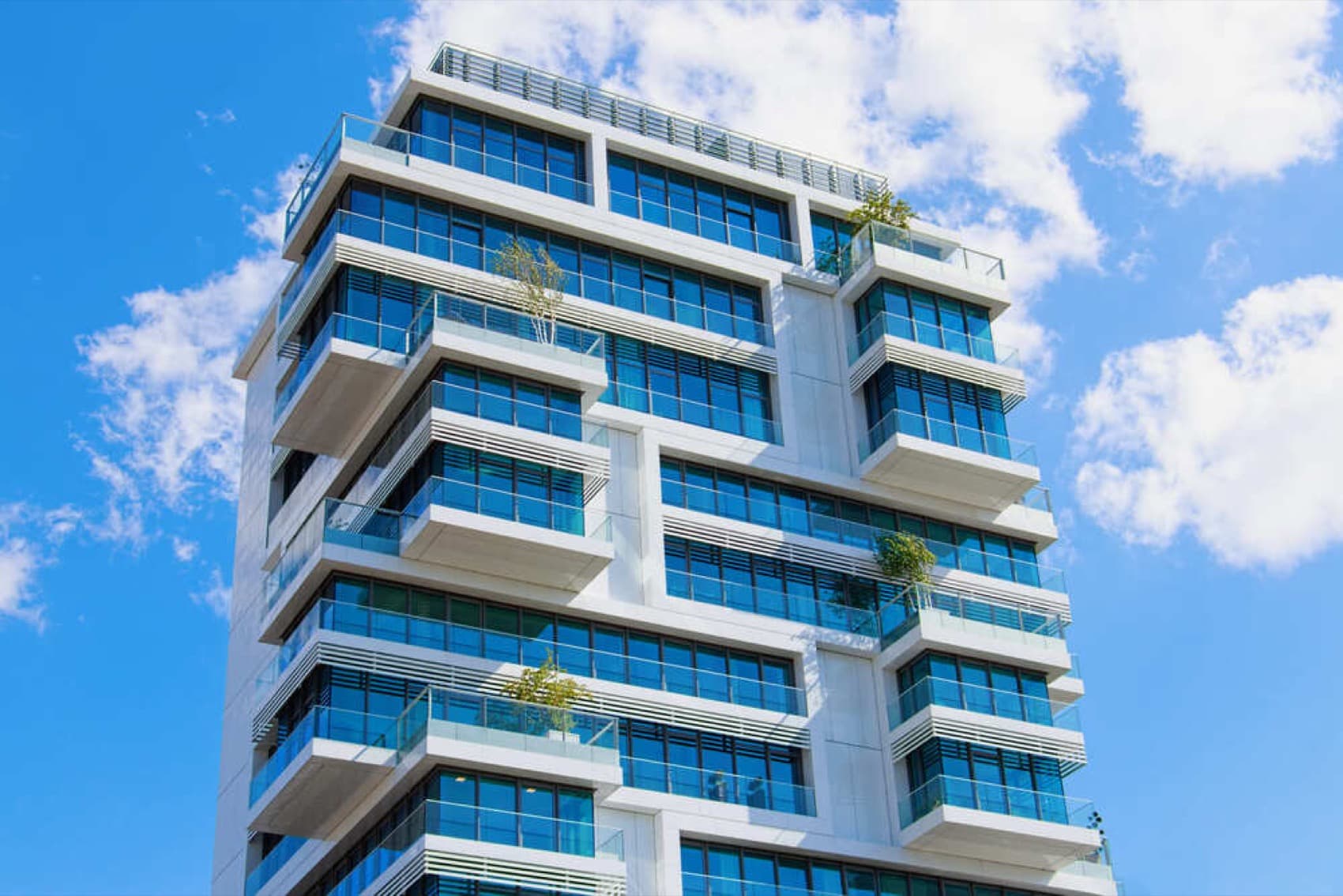
Managing residential towers differs from managing an ordinary building in three ways: the number of systems, the number of residents, and the fact that in many complexes several towers share a car park and common areas. A tower of dozens of floors depends on elevators, pumps and safety systems that a low-rise building simply does not have, and a single fault is felt by hundreds of residents. In this article we set out what is different about managing a tower, how a complex of several towers is run, and what to check when choosing a tower management company.
The systems of a residential tower
- Elevators: several elevators in each tower, sometimes including a Shabbat elevator and a service elevator. An elevator out of service in a tower is not an inconvenience; it is a resident on a high floor who cannot get down.
- Water: pumps and pressure-boosting systems that lift water to the upper floors, and water tanks.
- Fire safety: detection and suppression systems, and in many towers smoke control systems as well, all of which require periodic inspections.
- Electricity and generator: an emergency generator that keeps elevators, pumps and emergency lighting running when the power fails.
- Underground car park: ventilation, drainage, gates and access control.
Each of these systems needs a preventive maintenance plan with fixed dates and records. We covered the inspections the law requires in the article periodic building inspections.
The lobby and shared facilities
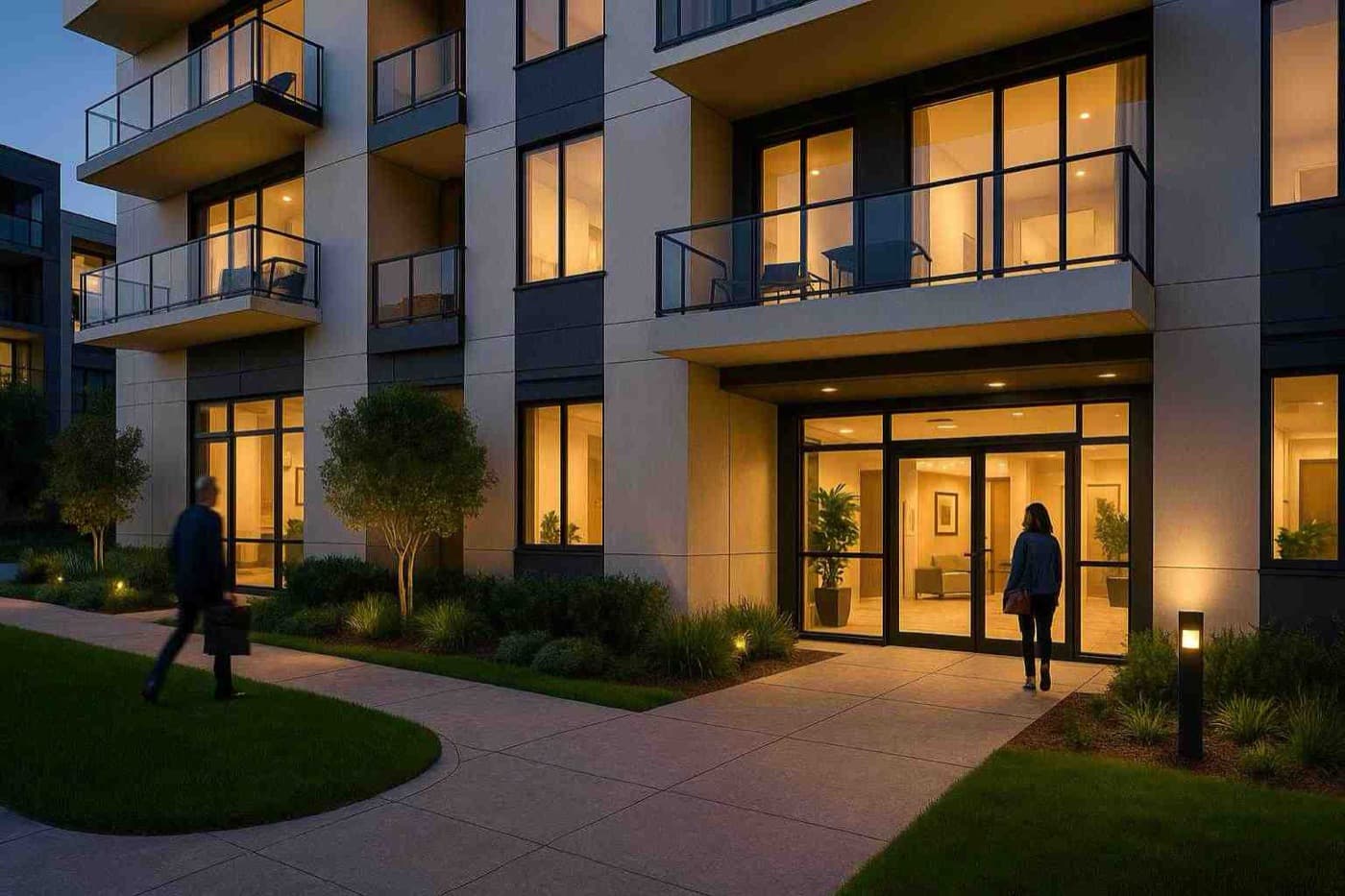
In a tower, the lobby is the face of the building, and many towers also have a pool, a gym and a residents' lounge. These are the places where neglect shows fastest, and where the level of service shapes how residents feel and, in the end, the value of the apartments. A pool in a residential building, for example, needs a certified operator and periodic water testing.
A complex of several towers
In many new projects, several towers sit on a shared car park and shared common areas. Israel's Land Law recognizes this situation and calls it a "composite building" (section 59): the owners can set in the bylaws that the maintenance and management of each tower are separate, so that each tower bears its own expenses, and can even hold a separate general meeting and committee for each tower. Whatever has not been separated, such as a shared car park, remains common property of the whole complex.
In practice, both each tower and the complex as a whole have to be managed, with every expense clearly split between them. We manage complexes like these, for example Complex B in Denya Cibus, four residential towers with a shared car park, and HaPardes in Ashtrom, six residential towers.
Money and decisions when there are hundreds of residents
In a tower of hundreds of apartments, every decision goes through the committee and the general meeting, and every expense is shared among many owners. That is why transparency matters especially here: a monthly itemized expense report, an annual budget presented at the meeting, and reported collections. Decisions stay with the committee, and the management company prepares, carries out and reports. We covered the rules themselves in the article managing condominium buildings.
What to check when choosing a tower management company
- Whether the company has experience with towers and multi-tower complexes, not only low-rise buildings.
- Who your account manager will be, and how much they are on site.
- What the preventive maintenance plan for elevators, pumps, the generator and fire systems looks like, and where the records can be seen.
- How a resident's request is handled, and how the resident sees what is happening with it.
- What the monthly report to the committee looks like, and when it arrives.
We manage residential complexes of several towers, with a permanent team and an account manager who knows the residents. Details of the service are on the tower management page.
Sources
- Land Law, 1969, section 59 (a condominium composed of several buildings or wings).