
In this article 7 topics
- Why plumbing faults in large buildings are more complex
- Possible damage from leaks and faults
- Preventive maintenance: the best way to avoid faults
- Advanced technologies for managing plumbing in buildings
- What to do when a leak or fault is found
- The role of maintenance companies in preventing damage
- Summary
One of the most common challenges in managing and maintaining large buildings is handling leaks and plumbing faults. A small leak in a pipe or a blockage in one of the main lines can quickly become a serious problem: it can cause expensive water damage, shut down systems and disrupt the daily routine of the building's residents or users. Meeting these challenges well takes a combination of preventive maintenance, smart monitoring and a fast response when a fault occurs.
Why plumbing faults in large buildings are more complex
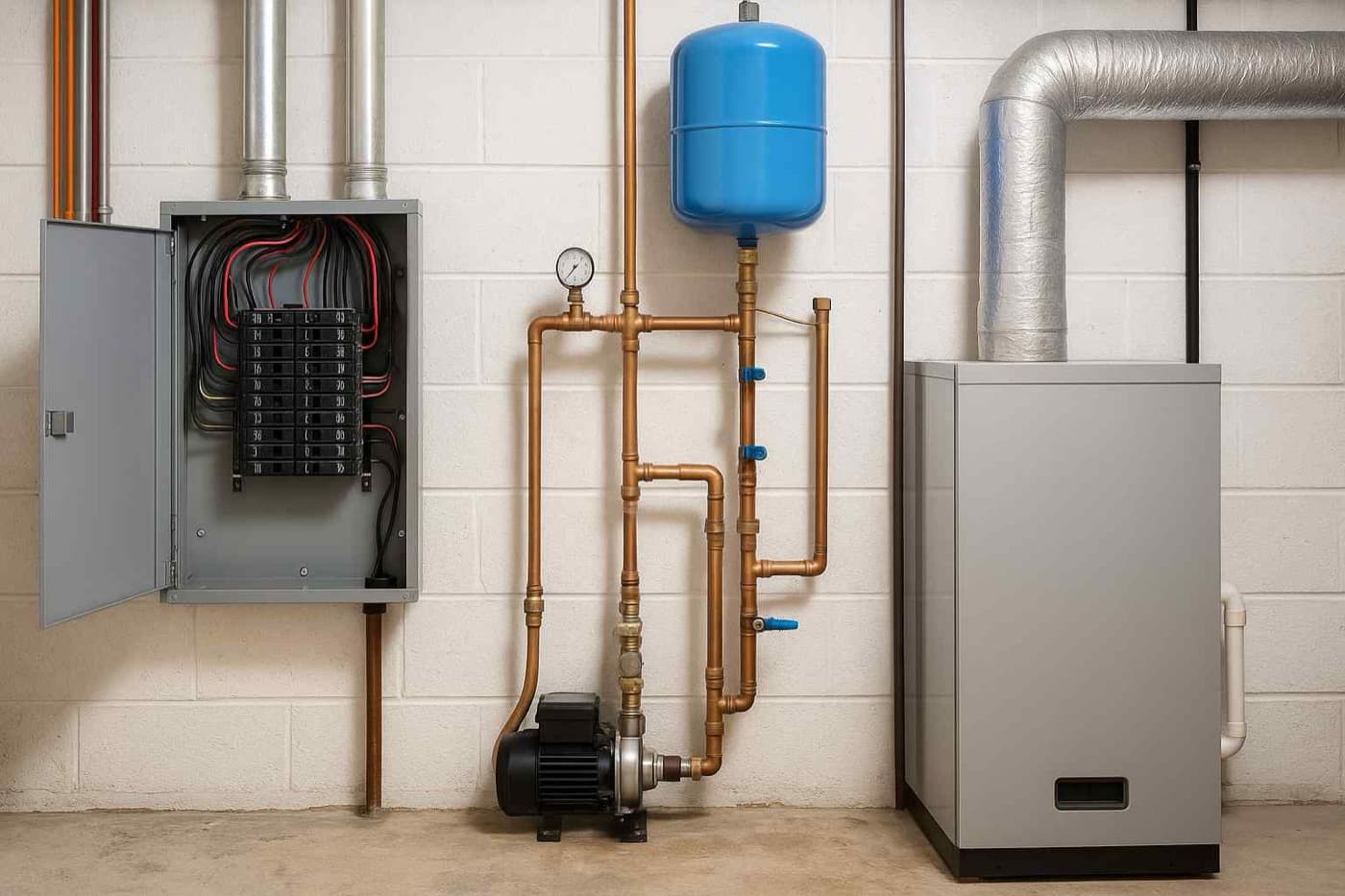
Large buildings have water and sewage systems that are far more complex than those of a private home: extensive piping, pumps, central sanitation systems and water tanks. A fault in one system can affect many floors, hundreds of residents and even critical systems such as fire suppression or air conditioning.
The complexity comes, among other things, from:
- The size and number of internal piping systems
- Intensive use by a large number of residents or businesses
- Difficulty locating the source of a fault because the piping is spread so widely
- Higher costs for repairing or replacing infrastructure
Possible damage from leaks and faults
- Damage to the structure: walls, floors and ceilings that get wet can suffer from damp and mold.
- Damage to expensive equipment: server rooms, electrical installations or sensitive office equipment can be destroyed.
- Health damage: damp and mold put residents' health at risk.
- Legal costs: residents or businesses may demand compensation for the damage caused.
Preventive maintenance: the best way to avoid faults
Proper maintenance saves a lot of money and prevents systems from going down. Some important steps:
- Periodic inspections of the piping and sanitary systems
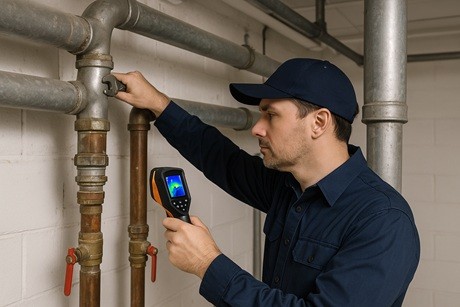
- Using leak detection equipment (such as thermal cameras) for early detection
- Preventive flushing of sewage lines and drainage systems
- Using high-quality materials for repairs and upgrades
- Ongoing records and control of every treatment carried out
Advanced technologies for managing plumbing in buildings
Today there are advanced technological solutions that help locate and handle faults quickly:
- Smart water sensors: detect leaks in real time and alert the building manager
- Central monitoring systems: track water flow and pressure throughout the building
- Robotic cameras: locate blockages or breaks in sewage lines without taking up floors or opening walls
- Automatic valves: shut off the water supply in the event of a serious leak
What to do when a leak or fault is found
When a fault is found, immediate steps are needed to limit the damage:
- Shut off the water to the affected area immediately
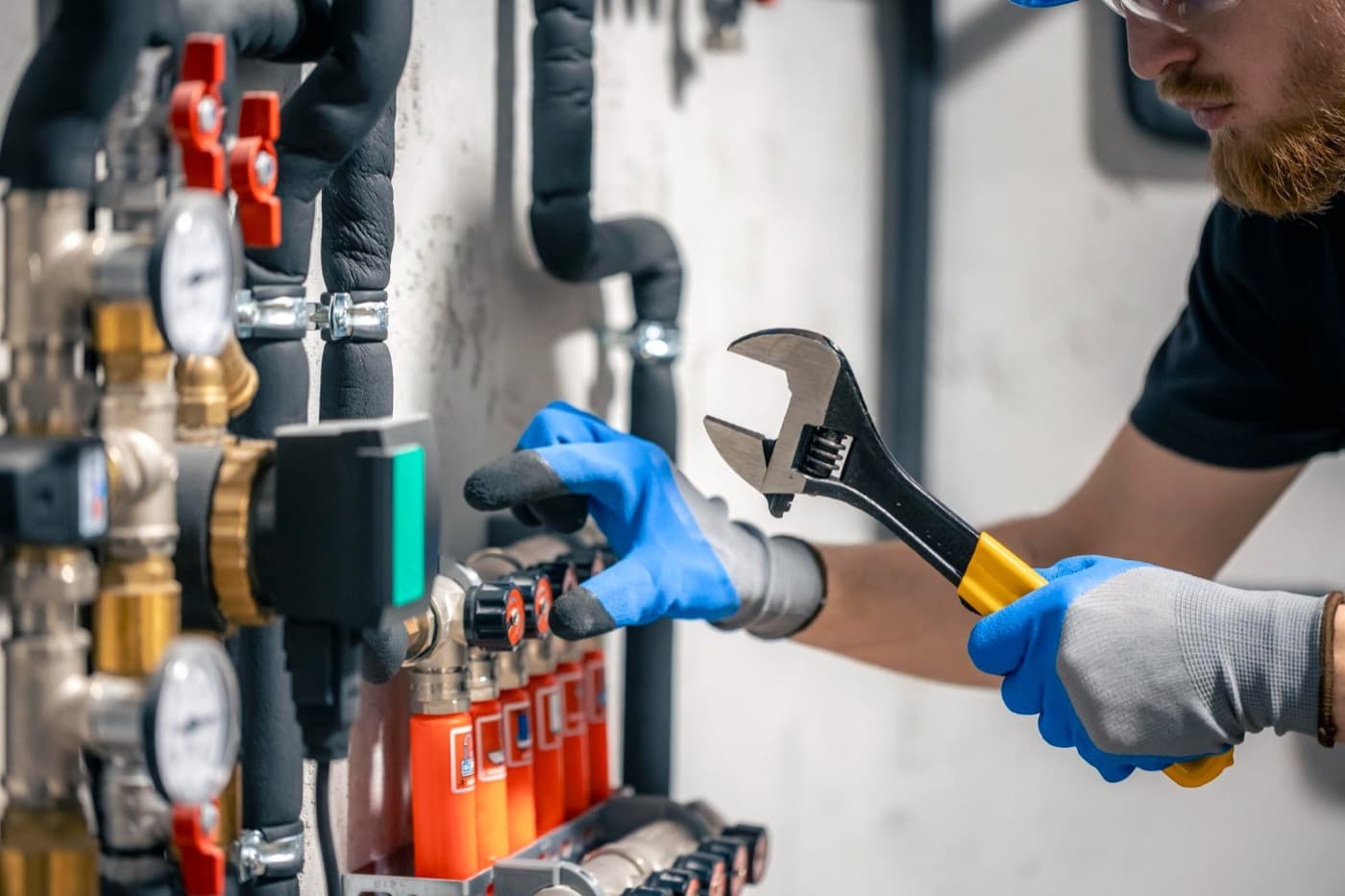
- Call a plumber or a professional maintenance company
- Document the damage for the insurance claim
- Carry out a thorough check to find the cause, not just treat the symptom
- Consider upgrading the piping system if the fault keeps recurring
The role of maintenance companies in preventing damage
A professional building management and maintenance company is responsible for making sure the systems are maintained to a high standard, that inspections are carried out on a fixed schedule and that faults get a fast response. Combining skilled staff, advanced technology and orderly management is the key to keeping a building in good condition for years.
Summary
Leaks and plumbing faults in large buildings are a significant challenge, but with preventive maintenance, advanced technologies and proper planning, heavy damage can be prevented and the building kept functional and safe. Building managers who understand the importance of the issue and allocate resources to managing it properly save a lot of money, protect the asset and improve residents' quality of life.