
In this article 5 topics
In a world where equal opportunity is a core value, making shared buildings accessible has become a critical issue in Israeli society. Under the accessibility law for people with disabilities, every shared building must meet clear standards designed to give every person, regardless of disability, equal and convenient access to the residential and public areas of the building. In this article we review the requirements of the law and why accessibility matters, and present practical solutions that can actually be implemented.
What does the accessibility law say?
Israel's accessibility law for people with disabilities is part of the Equal Rights for Persons with Disabilities Law, and it requires accessibility adjustments in public spaces and shared buildings. Among other things, the obligation includes:
- Adapting building entrances for wheelchair mobility
- Installing handrails on stairs
- Installing an elevator or a stair lift where needed
- Clear marking of access routes
- Installing wide doors and adapted passageways
It is important to stress that the law applies both to new buildings and to upgrading existing ones, according to the classification and use of each building.
Why does accessibility matter so much?
The meaning of the accessibility law goes beyond the technical side. It is about the basic right of people with disabilities to live with dignity and to be included in society. Beyond that, accessibility improves the quality of life of many other groups: older people, parents with strollers, people coping with temporary injuries and more.
Proper accessibility also benefits the community itself. It creates a safe, equal and inclusive environment, strengthens the ties between residents and encourages shared responsibility toward all residents and guests.
Common challenges in existing buildings
Older buildings face technical and structural challenges that make it harder to meet the requirements of the accessibility law. Among the main challenges:
- A narrow stairwell that does not allow a stair lift to be installed
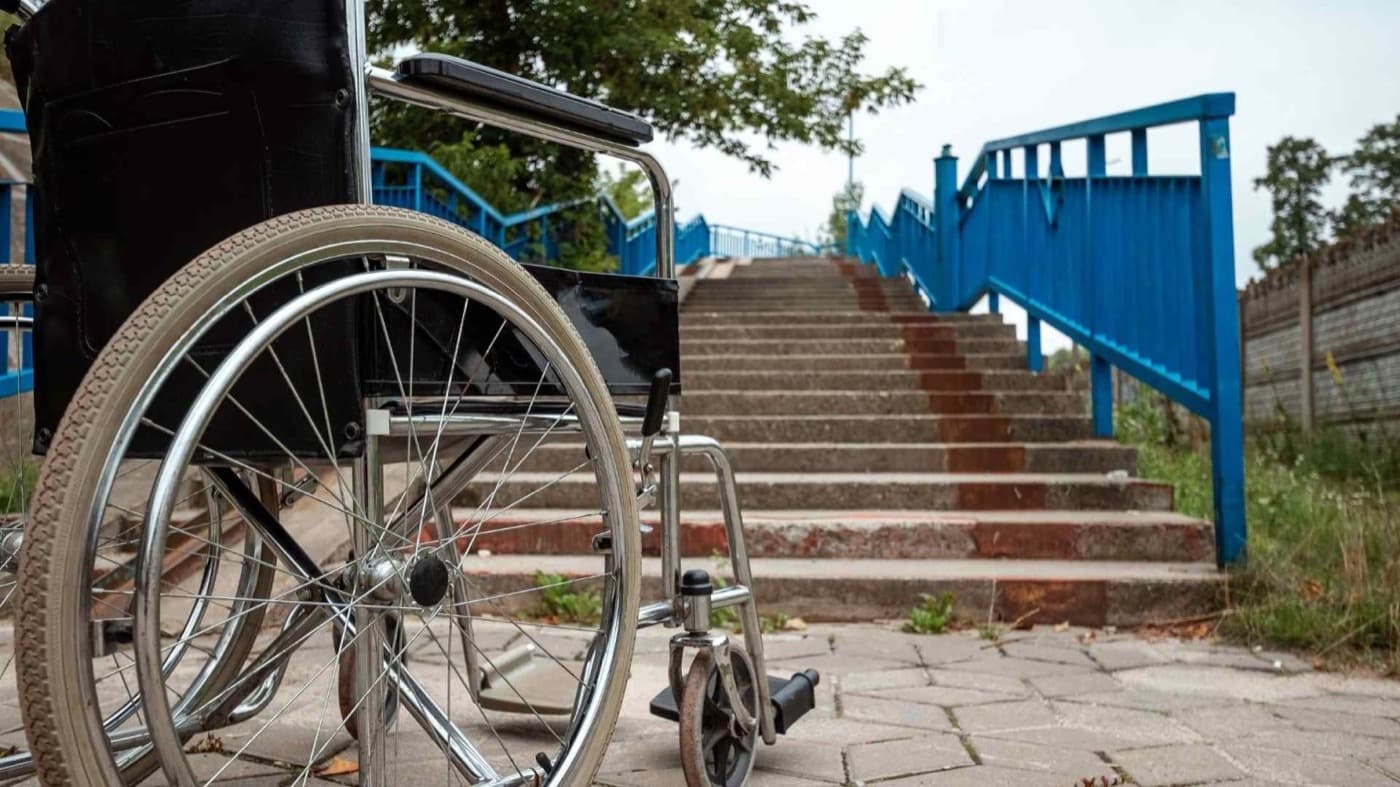
- Entrances with many steps and no room to lower them
- Objections from residents over how costs are split
- Lack of knowledge about the requirements or the options
In situations like these, it is very important to bring in professionals who specialize in accessibility, to find creative solutions tailored to the building.
Practical accessibility solutions
A range of solutions can be implemented in shared buildings:
- Installing an adapted ramp at the entrance steps
- Using a vertical platform lift or a stair climbing chair
- Installing intercom systems with both a visual display and audio
- Marking and color contrast near stairs and entrances
- Renovating or widening doors for wide entrances
To carry out the necessary adjustments, it is recommended to use building management services, especially in high-rise buildings or buildings that require coordination among a large number of residents.
The accessibility law: the way to a more equal society starts at home
The accessibility law is meant to ensure that all of us live in an equal and respectful environment, and meeting its legal requirements is only part of that. It is important to remember that accessibility is essential for every person. Residents, residents' committees, management companies and professionals should all be directly involved in the issue, to ensure the law is applied properly and real change is made.
In the end, accessibility is an expression of social solidarity, because an accessible society is an advanced, wise and just society.