

In this article 6 topics
- Identifying risks and preparing in advance
- Fire suppression systems: the first line of defense
- Security in shared buildings: responding to human threats
- Emergency drills and resident training
- Involving a building management company in emergency preparedness
- A shared responsibility: security for all residents
In times of crisis, whether a fire, an earthquake, a flood or an intrusion by a hostile party, advance preparation can save lives and prevent serious damage. Every residential building, and shared buildings in particular, must have an orderly, up-to-date emergency plan tailored to the possible scenarios, combining safety systems, briefings for residents and cooperation with the relevant authorities.
Identifying risks and preparing in advance
The first step is to identify the risks specific to the building: its geographic location, construction characteristics, resident density, level of maintenance and more. Next, a comprehensive emergency plan should be prepared that addresses every scenario: fire, earthquake, power outage, security incident and more.
Fire suppression systems: the first line of defense
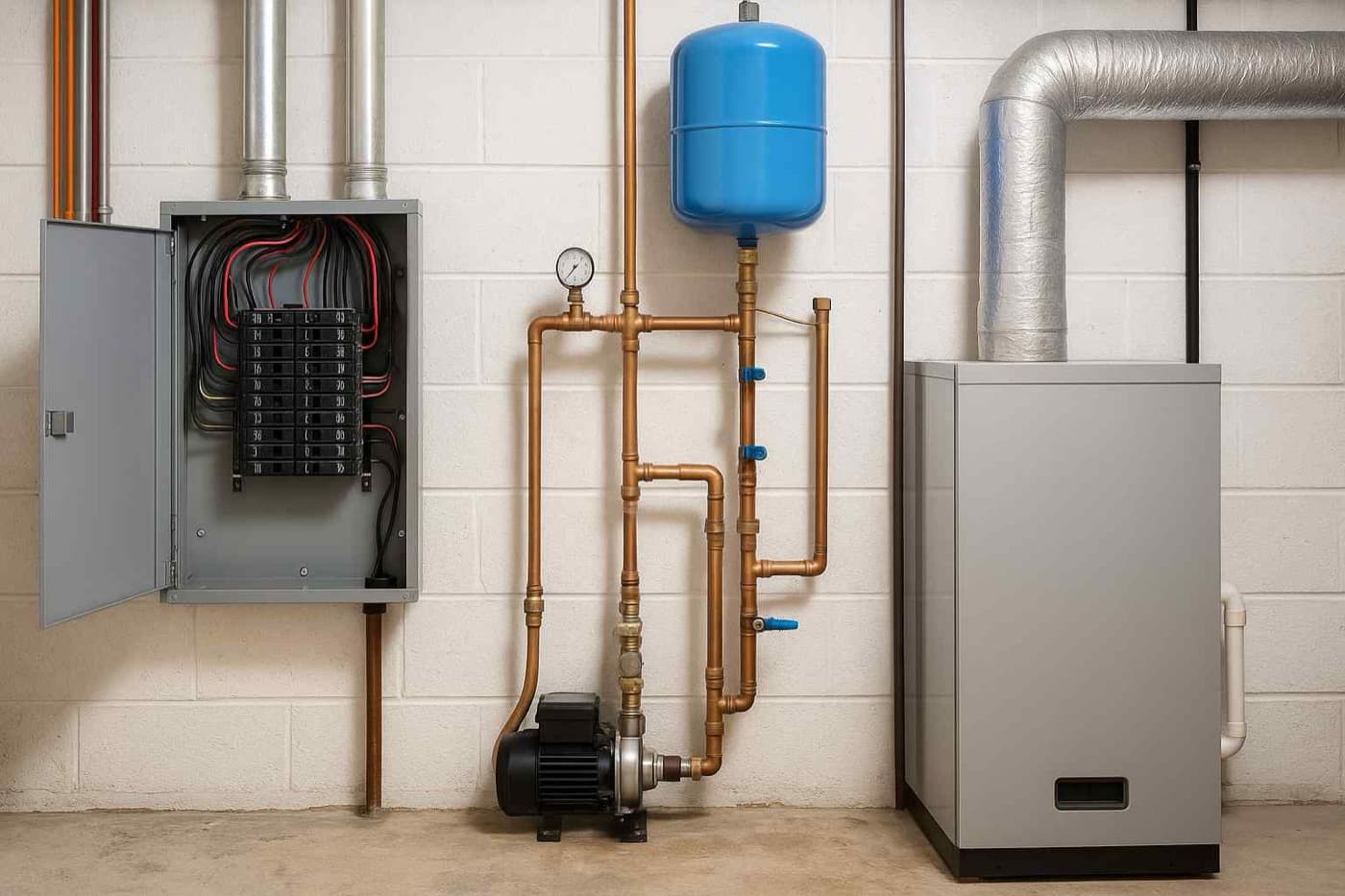
One of the critical components of any emergency plan is fire suppression systems that work and are maintained. An automatic sprinkler system, smoke detectors on every floor, fire hose cabinets and access to emergency equipment can all be the difference between an incident under control and a disaster.
Ongoing maintenance of fire suppression systems is required by law, and beyond that, it is a moral responsibility toward all residents.
Security in shared buildings: responding to human threats
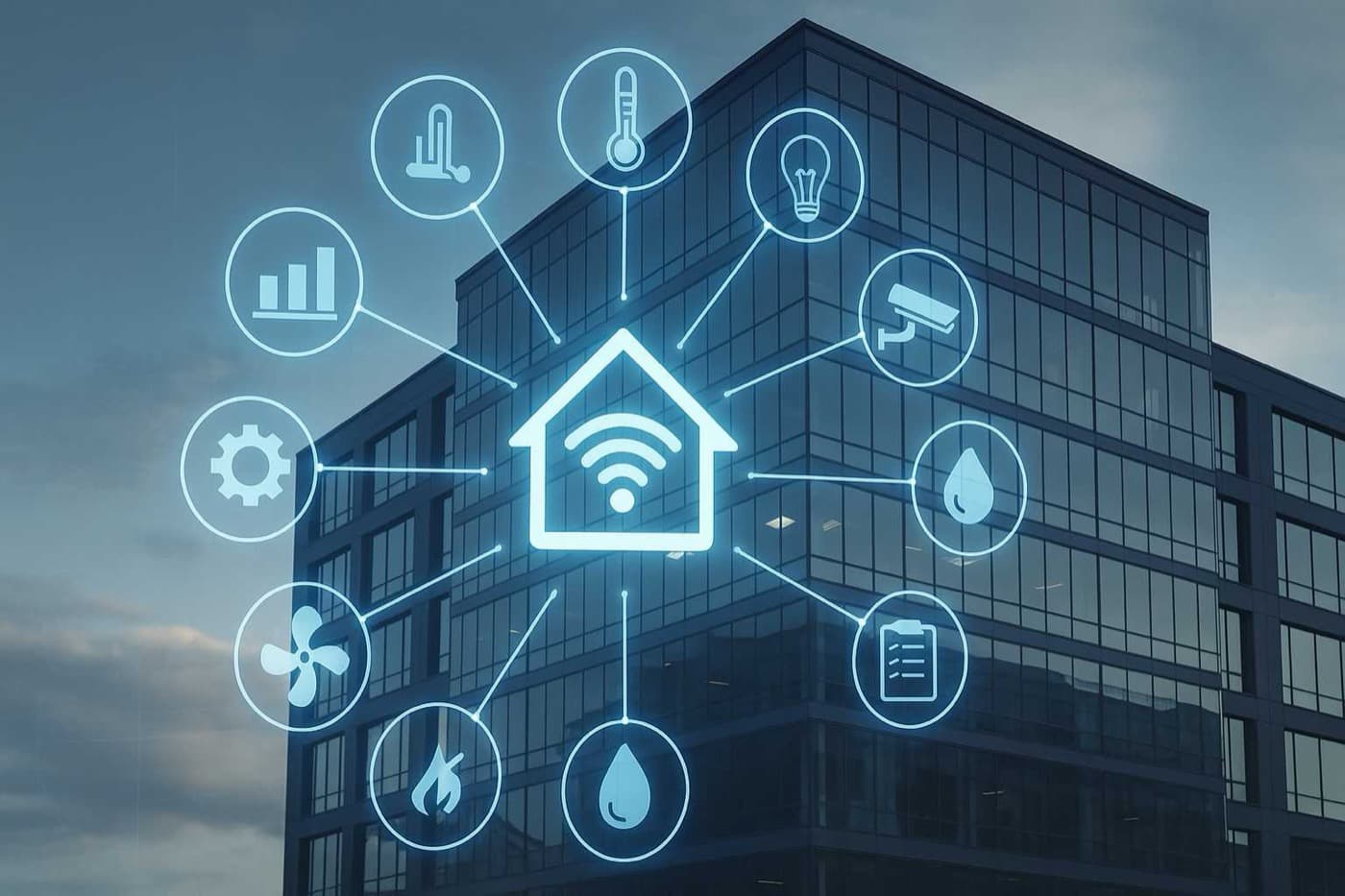
In recent years, securing shared buildings against intrusion by hostile parties, theft and vandalism has become more important. Installing closed-circuit cameras, smart access control and secured gates helps prevent incidents and also gives residents a sense of security in their daily lives.
In buildings with on-site security or a permanent guard, it is recommended to include the security staff in emergency training as well, as part of combining security with routine.
Emergency drills and resident training
A written emergency plan is not enough. Every resident needs to know the procedures. It is recommended to hold a building evacuation drill and a group briefing once a year, and to put up directional signs in the corridors.
Regular drills improve residents' response time, expose weaknesses in the plan and encourage cooperation when it really counts.
Involving a building management company in emergency preparedness
In many cases, emergency preparedness, fire suppression system maintenance and supervision of security in shared buildings are managed by a professional building management company. These companies provide a complete package: from installing smart systems, through coordination with emergency services, to managing scenarios in real time, all while maintaining safety and transparency toward the residents' committee.
A shared responsibility: security for all residents
A building emergency plan is an ongoing process of improvement, practice and adaptation to a changing reality, rather than a one-time project. Maintaining fire suppression systems, upgrading security measures in shared buildings and raising residents' awareness are the three main foundations of a safe, protected building.
In an emergency, there is no room for improvisation. Planning properly today is tomorrow's security.