
In this article 6 topics
In today's urban reality, building management requires more than routine maintenance. It also requires forward thinking and the integration of advanced technological solutions that improve efficiency, save money and enhance the user experience. Property management companies such as Achla Group are adopting innovative tools to give residents, property owners and building managers a better living and working experience. So how exactly is technology changing the way buildings are run?
Find out in this article.
Smart building management systems (BMS)
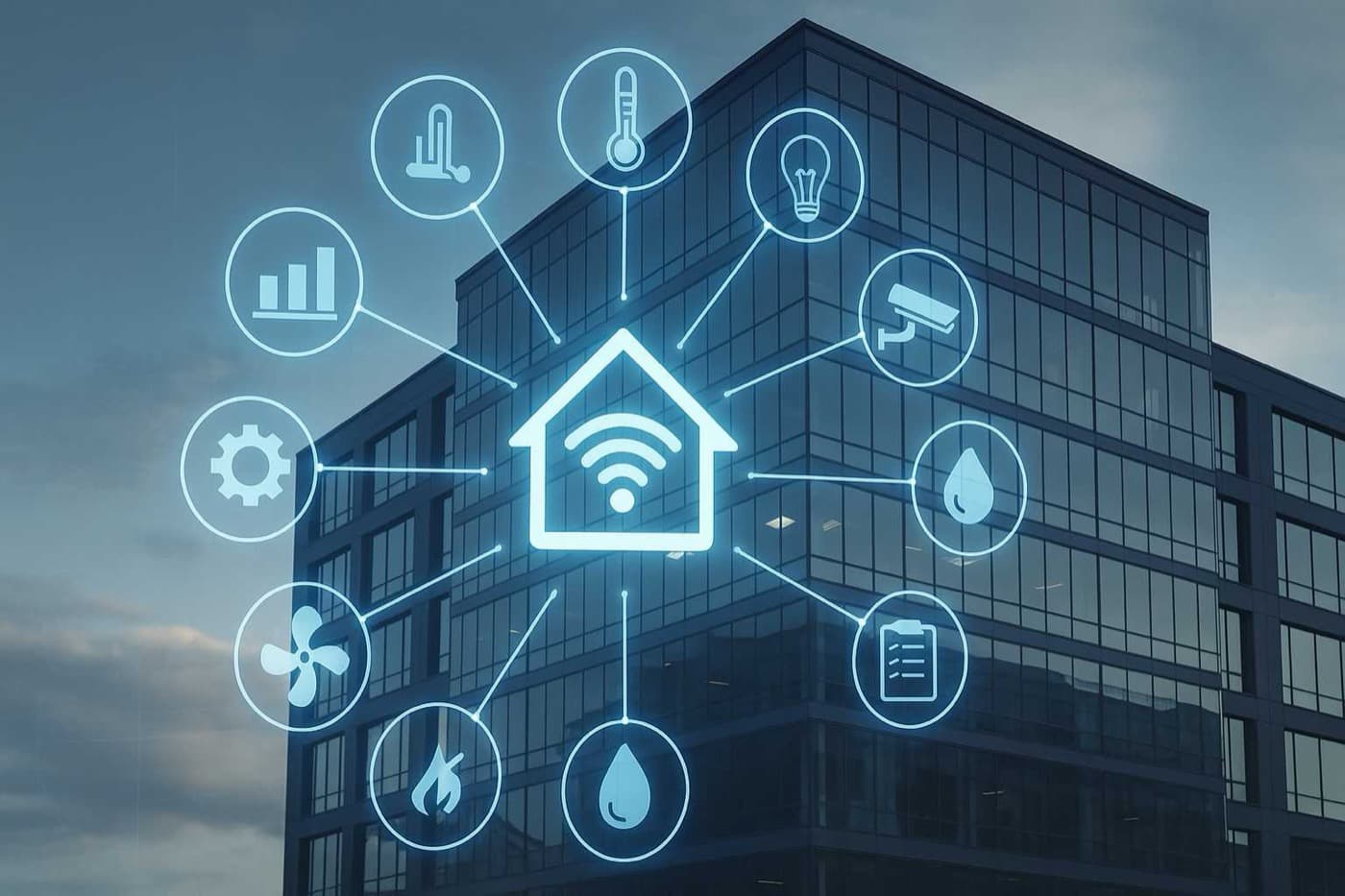
One of the most notable revolutions in building management is the arrival of smart management systems, Building Management Systems (BMS). These systems collect real-time data from all of the building's systems: air conditioning, lighting, elevators, parking, fire suppression and more. They enable centralized, automated control. With them, faults can be detected early, energy loads can be balanced and operations can become significantly more efficient.
Main advantages
- Substantial savings on energy costs by optimizing consumption.
- Real-time fault alerts that allow a fast response.
- Optimized maintenance work and more efficient planning.
Monitoring energy and resource consumption
Advanced energy monitoring systems let property owners and management companies track electricity, water and gas consumption at any given moment. With smart metering, sources of waste can be found and precise adjustments made to the building's day-to-day operation.
For example
- Early detection of water leaks and abnormal consumption.
- Analysis of consumption trends and comparison between periods to identify changes.
- Automatic reports for budget control that is accurate.
Information security and cyber protection in smart buildings
As building management systems become more connected and technology-based, information security and cyber protection become more important. Protecting the building's infrastructure from cyber attacks is critical, because a breach of these systems can cause operational, financial and even safety damage. Advanced management companies invest in strong protection systems, data encryption, regular backups and strict security protocols to protect sensitive information and keep the systems running without interruption. Protection also covers secure access to the various systems and the interfaces between them, to prevent unauthorized access or disruption.
Resident apps and communication management
One of the critical factors in resident satisfaction is how easy it is to communicate with the building's management. Today, dedicated apps can be used to report faults, make payments, receive important updates and even order services (such as cleaning or private repairs).
The main advantages
- A convenient, accessible user experience for all residents.
- Fewer phone calls for the management team to handle.
- Full documentation of requests and service performance for continuous improvement.
Artificial intelligence and preventive maintenance
Technologies based on artificial intelligence (AI) make it possible to move from reactive to proactive management. The systems detect abnormal patterns in the operation of the electrical, plumbing or elevator systems and give advance warning before a significant fault occurs. This prevents expensive downtime and keeps operations running continuously.
Main applications
- Preventive maintenance for critical systems based on prediction.
- Fault prediction based on usage patterns and historical data.
- Significantly shorter response times and fewer recurring faults.
The road to advanced management starts with technology
Advanced property management starts with adopting smart technologies that combine knowledge and experience, like that of Achla Group. This combination creates significant economic and operational value by making property management digital, precise and based on real-time data. This approach allows better-informed decisions, the best possible protection of the property's value and a significant improvement in the quality of life of everyone who uses it. The future of building management is already here, and it is smarter, more efficient and more sophisticated than ever.