
In this article 5 topics
We can all recite that a property has to be improved, that this has enormous value and that it is the key to increasing profits and keeping the building attractive. In today's competitive real estate world, it is no longer a luxury. But how do you actually do it? Our experts lay out all the ways to increase your property's value: the ones that really work and really prove themselves over time.
Start with maintenance and preventive care
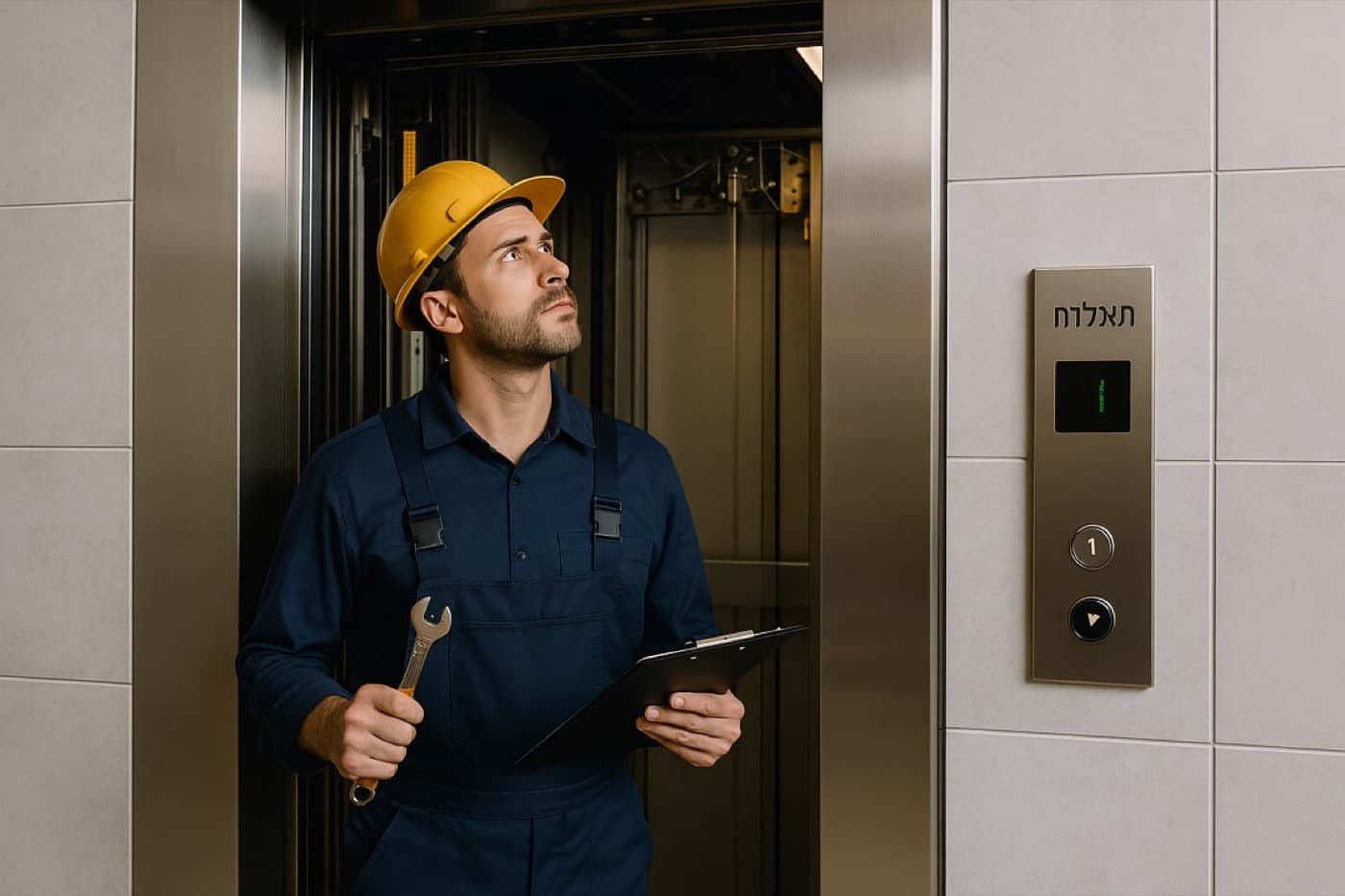
Before you rush out to buy new plants or air fresheners for the building, start by preserving what you have, with meaningful maintenance work. Breakdown maintenance (maintenance of equipment or the building after a fault has occurred) is one of the central and most important elements of overall maintenance. Especially after a particular system has failed, it is important to carry out damage control, understand why the damage happened in the first place (perhaps the system is too old? perhaps it was not installed properly? and so on) and improve for the future. That is exactly how you prevent the next breakdown. Our professionals carry out preventive maintenance on an ongoing basis to improve the quality of the tower's systems and save money in the long run. That money can then go toward upgrades or additions for the project, and it prevents more serious damage to property and people in emergencies.
A dedicated budget for improving the property
Is the building celebrating five years or more? This is exactly the time to set up its "pension." An improvement budget is a dedicated budget the project uses for one purpose: staying attractive, all the time. Is the paint peeling? The improvement budget will cover the cost of painting. Does the lobby furniture look worn? That can seriously hurt the attractiveness of the building and its occupants, and it is far from what increasing property value means. Use your dedicated budget to replace the furniture.
Making the building accessible to people with disabilities
Making public places accessible has long stopped being a trend or something done out of goodwill. It is a moral obligation of the first order. An important part of increasing a property's value is making the building accessible to people with disabilities and anyone else who needs it (parents with strollers, for example). True, this sometimes involves real renovation work, but it will pay off later on (and, as mentioned, it is basic regardless).
A wide range of businesses today must have an accessible building in order to obtain a business license and to avoid lawsuits. For example, mall management requires a valid, up-to-date accessibility report.
Enforce the shared building's house rules
There is no doubt about it: when a building has house rules and they are properly enforced, it helps enormously in increasing the property's value. What does that mean? House rules set out a series of rules and behaviors shared by all the building's occupants, covering a range of areas. It is important to distinguish between two types: standard bylaws and agreed bylaws. The standard bylaws apply to all residents of a shared building under the schedule to the Land Law. However, if the residents have drafted specific rules that apply to them and these were adopted by a lawful decision at a residents' meeting, the bylaws are called "agreed bylaws."
Whichever set of rules applies in your building, we strongly recommend making sure it is actually enforced. This is one of the surest ways to increase a property's value, and without it many buildings simply become neglected.
What should the house rules include? The sky is the limit! The standard bylaws include a series of provisions on running residents' meetings, appointing a residents' committee, the procedure for carrying out repairs in the building, managing the bank account for the shared budget, office building maintenance, and the amount residents will pay toward the necessary expenses over the period they live there.
Agreed bylaws, as mentioned, include any other relevant addition, as long as it does not infringe on the rights of the apartment owners and does not make residents liable for debts or payments without their consent.
When you enforce the shared house rules, whatever they are, you buy yourself peace of mind: occupants know what is expected of them, the building functions properly, every occupant of the tower or building is responsible for following the rules, and if they do not, they can be warned or fined. Over time, all of this protects the project's appearance and its budget, and that is an important element in increasing the property's value. A very important one.
Building a community
Even if they sit in different offices and belong to different companies, in the end people live alongside people, and you can leverage that to increase your property's value. Make the building a pleasant place to be and organize community events of different kinds. Is the tower mostly home to high-tech employees who work late? Organize a Happy Hour that will cheer them up! Is the weekend coming? Organize a small fair of high-quality prepared food to treat them for the weekend. Is an important holiday approaching? Set up food stalls ahead of the holiday or hold a festive fair of art, textiles and decor. Your building's value will rise remarkably, because it is a pleasant place to be!