
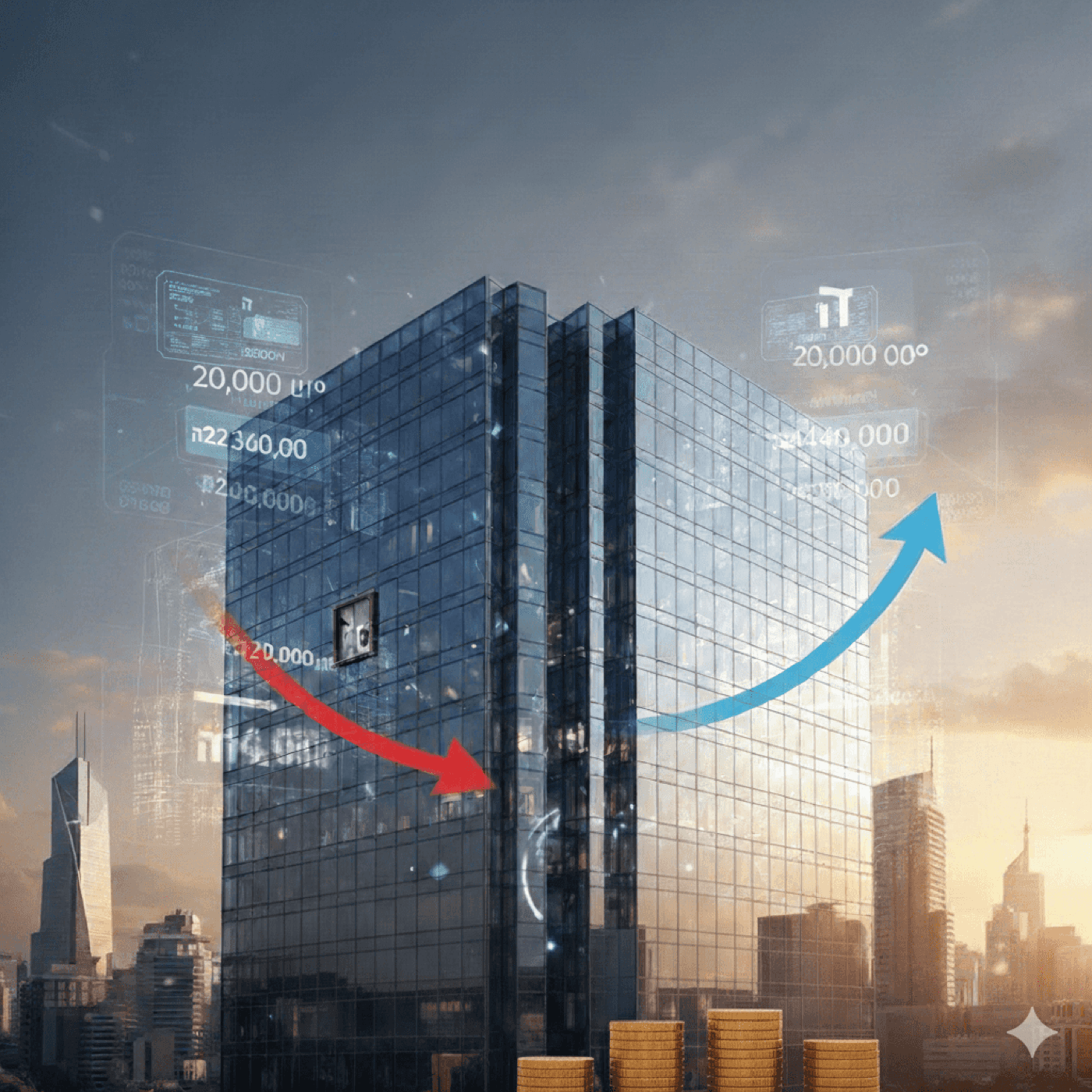
In office building management, the average maintenance cost is around
₪15–25 per sq m per month.
Many owners aim for the low end of that range.
It looks like a sensible saving.
But let's look at the numbers.
Example: an office tower of 20,000 sq m
Scenario 1: a minimal budget
₪18 per sq m per month
20,000 × ₪18 = ₪360,000 per month
= ₪4.32 million per year
Scenario 2: high-quality, thorough management
₪22 per sq m per month
20,000 × ₪22 = ₪440,000 per month
= ₪5.28 million per year
The difference
An extra ₪4 per sq m per month
= ₪80,000 per month
= ₪960,000 per year
It looks significant.
But now let's look at what it prevents.
- Extending the life of systems
A simple example
Overhauling or replacing a central system (for example the air conditioning system, the control system or a major HVAC component)
Example cost: about ₪300,000.
Choosing a good management company with good tools can postpone that replacement by 3–4 years.
Postponing a capital expense like this improves cash flow, reduces budget shocks and prevents recurring faults that cause friction with tenants.
*Ongoing management fees (not paid by the owner) do not hurt NOI, but one-time expenses do.
And that is just one system.
- Protecting occupancy and NOI
Assume an average rent of:
₪80 per sq m
20,000 sq m × ₪80 =
₪1.6 million per month
= ₪19.2 million per year
A 3% drop in occupancy because of a worn-out image or recurring faults:
₪576,000 a year in lost income.
In other words, almost 60% of the annual budget saving is wiped out by a small drop in occupancy alone.
- The effect on property value
At a 7% cap rate
A hit of ₪600,000–1,000,000 to NOI
means a drop in value of:
₪8.5–14 million.
In other words
Saving less than ₪1 million a year on maintenance
can cost tens of millions in property value.
- Personal attention and service: the critical variable
High-quality management goes beyond technical work.
It includes
- Fast response
- Preventing escalation
- Direct communication with tenants
- Proactive rather than reactive maintenance
Replacing a tenant can cost many months of lost rent, plus fit-out work.
In a large tower, losing a single major tenant can on its own justify years of a high-quality maintenance budget.
- A sinking fund: a financial tool for protecting value, not just an operating line item
Experienced investors understand that an income-producing asset is not just ongoing cash flow
It is a capital system that needs precise life cycle management.
In office building management, the absence of a sinking fund creates an illusion of high NOI in the short term,
but builds up risk in the medium and long term.
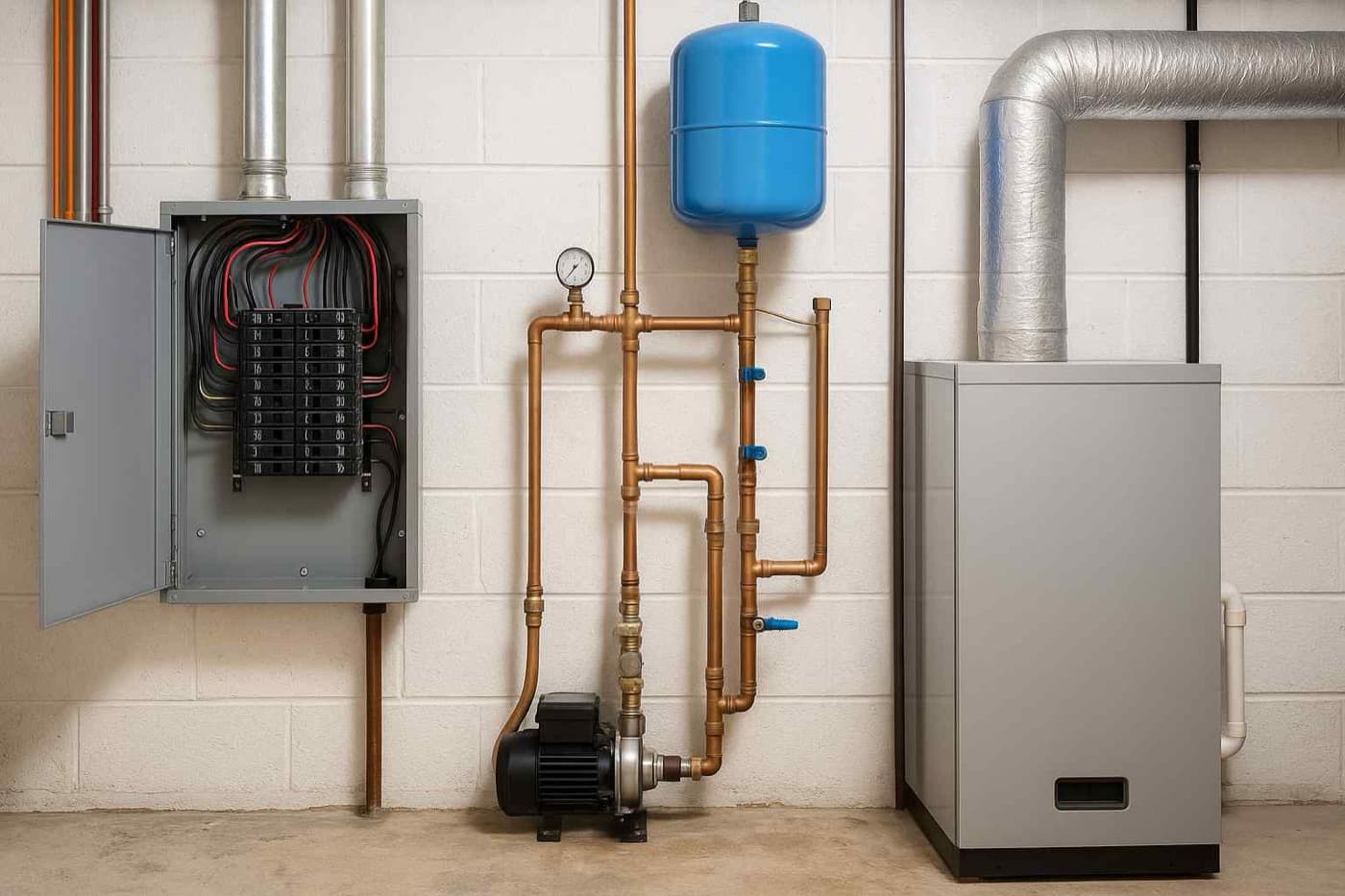
Critical systems such as central air conditioning, elevators, electrical panels and controls
will reach the point of replacement or overhaul.
Without ongoing allocations, the capital expense turns into
- A sudden hit to cash flow
- A need to raise capital
- Or a postponed investment that leads to operational and reputational decline
In a 20,000 sq m tower, a conservative allocation of
₪10–25 per sq m per year
means ₪200,000–500,000 a year.
This is not "money sitting on the side".
It is a value stabilization mechanism.
At a 7% cap rate, every ₪1 million hit to NOI
can wipe out more than ₪14 million in property value.
A properly managed sinking fund
✔ Stabilizes NOI over time
✔ Allows phased CAPEX planning
✔ Reduces volatility
✔ Keeps the A CLASS rating
✔ Protects the investor's yield
High-level office tower management is not measured only by daily operations.
It is measured by the ability to think about the full life cycle of the asset.
A sinking fund is not an expense.
It is a risk management policy.
The bottom line
A difference of ₪3–5 per sq m per month
looks like a line item to cut.
But over a decade,
it is the difference between:
✔ An asset that is still seen as A CLASS
✔ And an asset that starts sliding into the middle market
High-quality management and maintenance are not an expense.
They are a mechanism that protects the value of the asset.
And in a competitive market,
keeping the standard is not a privilege.
It is a financial strategy.