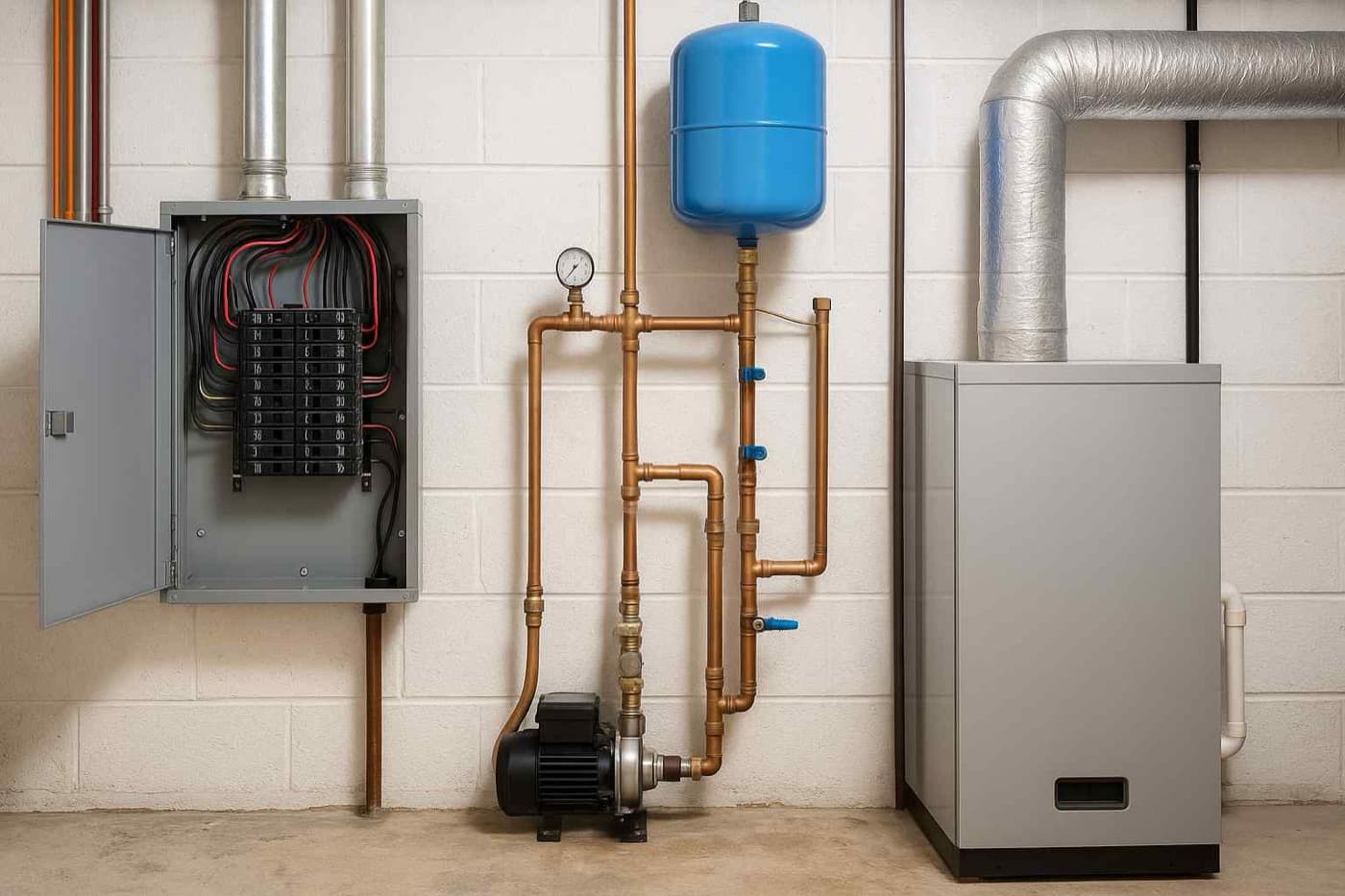

Buildings have many different systems, from electrical to construction. In each of these areas there are clear rules about what is forbidden, what is allowed and how to service the various systems. Each system is a whole world of its own and requires care by dedicated professionals to prevent safety incidents, as well as lawsuits.
There are a few rules everyone should know when it comes to building safety and preventing claims.
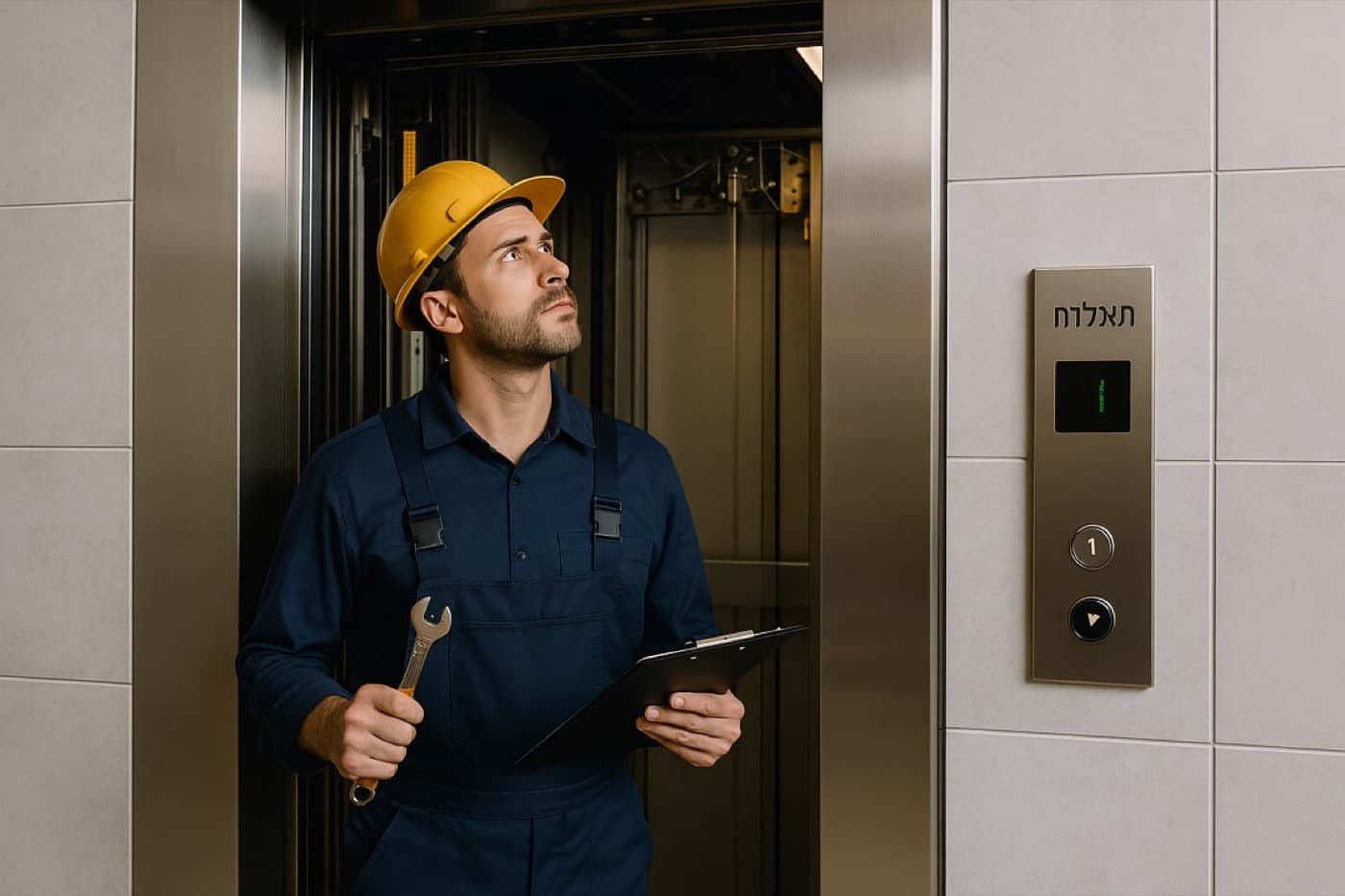
- Certificates: As obvious as it sounds, people still tend to hire professionals without checking their background or asking for certificates. Sometimes this is done to cut the cost of servicing, but such savings can cost dearly. When it comes to servicing or repairing the building's systems, there must be no compromise on professionals, and certificates and/or licenses must be checked. Faulty work on the building's systems, such as the fire detection or suppression system, can cost lives. Every job requires its own specific certification. For example, work at height requires a certificate. So every time you work with professionals, remember to ask for the appropriate certificate.
- Insurance: An important and indisputable rule is the insurance rule. Every building and every apartment must be insured. Some policies come with the mortgage, but it is important to check that the coverage is comprehensive and includes both third-party insurance and insurance for committee members. If for some reason someone decides to sue you, the comprehensive insurance we recommend will protect you in any situation. So when it comes to insuring your property too, don't compromise, and look carefully into your rights.
- House rules: The house rules contain important information about safe conduct in the building. They set out the rights and obligations of each resident and serve as a binding contract and a legal document if needed. It is important to read the rules and know how to conduct yourself in the building to prevent claims and, of course, how to act with maximum safety.
- Prompt handling: Sometimes it is easier to postpone routine servicing and repairs than to do them right away, but doing so can lead to a chain of faults and safety incidents you won't know how to get out of. We recommend striking while the iron is hot and handling every fault the moment it occurs. On the other hand, don't rush to accept a quick diagnosis and fix. Wait for a professional opinion and the most appropriate treatment for each system and each fault. The winning recipe here is fast response and thorough handling.
- The winning rule: The winning rule includes all the steps we wrote above and very easily combines them into one: a building management and maintenance company. Today, almost every building has a management and maintenance company that manages servicing and repairs. If your building has a management company, you should make sure the company carries out inspections on the scheduled dates and works with certified, licensed professionals.
In summary,
When it comes to servicing, repairs and inspections, you must not cut corners. Buildings have various systems that need regular inspections and regular servicing by certified professionals. The best way to avoid safety incidents and claims is simply to follow the rules, and we recommend a management company that will do it for you.